
Health needs rarely follow a schedule, and the right kind of care depends entirely on the situation at hand. A minor cut needs something very different from a chronic condition, and a sudden chest pain needs something different still. Knowing which type of care to seek, and when, can save you time, money, and unnecessary stress. This guide walks through the major categories of care so you can build a personal plan that covers everyday needs, ongoing conditions, and true emergencies.
- Mapping Out Your Everyday Health Needs
- Recognizing When Symptoms Require Immediate Attention
- Deciding Where to Go for Same Day Treatment
- Managing Chronic Pain With a Long Term Strategy
- Supporting Hormonal Health as You Age
- Exploring Targeted Options for Sexual Wellness
- Building a Recovery Plan for Substance Use Disorders
- Putting Together Your Personal Care Directory
Mapping Out Your Everyday Health Needs
Every solid care plan starts with a home base, a place you can turn to for routine checkups, vaccinations, and general health questions. Establishing this relationship before you actually need it means you are not scrambling to find a provider while you are already unwell. Think of this as the foundation everything else in your plan is built on.
Many people rely on family care clinics for exactly this purpose, since they treat patients of all ages and can track your health history over time. Having that continuity matters, because a provider who already knows your background can catch changes that a new provider might miss. This is also the right place to discuss preventive screenings, immunizations, and general wellness goals.
- Schedule an annual physical even when you feel healthy
- Keep a running list of medications and allergies to share at visits
- Ask about age-appropriate screenings during routine appointments
- Use this provider as your first call for non-urgent questions
Recognizing When Symptoms Require Immediate Attention
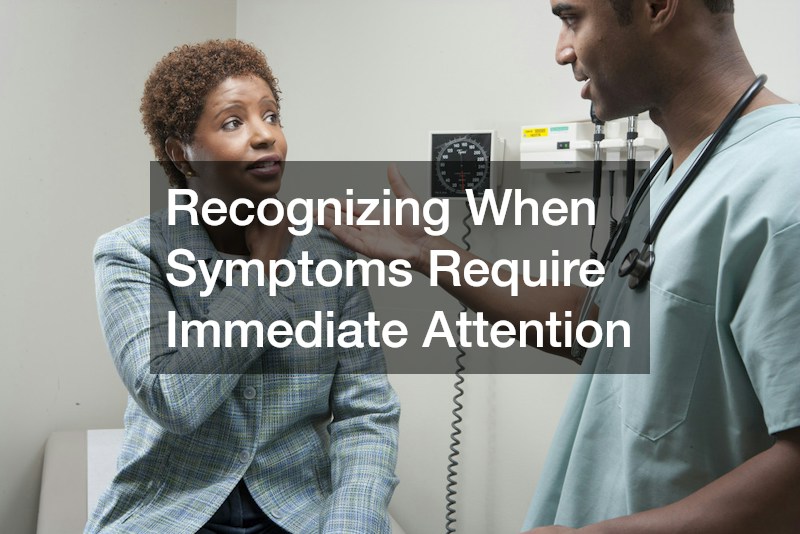
Some symptoms simply cannot wait, and learning to recognize them is one of the most valuable skills in your personal care plan. Chest pain, difficulty breathing, sudden confusion, severe bleeding, and signs of stroke all fall into this category. In these situations, heading to an emergency clinic is the appropriate choice, since these facilities are equipped to handle life-threatening conditions with imaging, labs, and specialists on standby.
It helps to talk through scenarios with your family ahead of time so everyone knows the warning signs and the nearest location. Waiting too long to seek help in a true emergency can make a treatable condition far more dangerous. When in doubt, it is always safer to seek immediate evaluation than to assume symptoms will pass on their own.
- Sudden numbness or weakness on one side of the body
- Severe chest pressure or pain radiating to the arm or jaw
- Uncontrolled bleeding or a deep wound
- Sudden severe headache unlike any before
- Difficulty breathing or swallowing
Deciding Where to Go for Same Day Treatment
Not every health issue is a true emergency, but plenty still need attention faster than a scheduled appointment allows. This is where urgent care comes in, handling things like sprains, minor fractures, infections, and moderate injuries that need same-day care without the wait times of an emergency room. Most visits run $100 to $200 without insurance, a fraction of what an ER charges for comparable treatment. These facilities typically have extended hours, often opening as early as 8 a.m. and staying open until 8 or 9 p.m., including weekends. That makes them especially useful for evenings and weekends when your regular provider is closed and the issue can’t wait until Monday. Knowing when to choose urgent care over the ER can save you both time and money. A good rule of thumb: if the condition is painful or worrying but not life-threatening, such as a high fever, a deep cut that might need stitches, or a suspected sprain, urgent care is usually the better first stop. Save the emergency room for chest pain, difficulty breathing, severe bleeding, or symptoms of stroke, where every minute matters. It’s also worth calling ahead or checking online wait times, since many urgent care clinics now post estimated wait lengths on their websites or apps. This small step can help you decide whether to head there immediately or try a nearby location instead.
When you need care fast but it is not a life-threatening emergency, the choice usually comes down to an urgent care center or a walk in clinic. Urgent care facilities are typically equipped to handle things like fractures, deep cuts requiring stitches, or moderate infections, often with on-site X-rays and lab testing. This makes them a better fit when your symptoms are serious enough to need diagnostic tools but not severe enough for an emergency room visit. A walk in clinic serves a slightly different purpose, often focused on quick, straightforward issues like colds, rashes, minor illnesses, vaccinations, or basic wellness checks that do not require advanced equipment. Many walk in clinics also offer school physicals, flu shots, and prescription refills, making them a convenient choice for routine, low-complexity needs. Wait times tend to be shorter too, since the cases handled are generally less complicated. The lines between these two options can blur depending on your area, so it is worth researching what each nearby facility actually offers before you need one. Check whether they accept your insurance, what their typical wait times look like, and whether they can handle both adult and pediatric patients if that matters for your family. Some clinics post real-time wait estimates online, which can save you from an unnecessary trip during peak hours. Knowing the difference in advance means you will not waste time driving to a location that cannot treat your specific issue. It also helps to keep a short list of two or three trusted options saved in your phone, since same-day decisions are rarely made with time to spare for extensive research.
- Sprains, minor cuts, and mild fractures fit urgent care, since these visits often need imaging or wound closure
- Colds, ear infections, and minor rashes often fit a walk in clinic, where visits are quicker and costs tend to run lower
- Check whether X-ray or lab services are available on site, since not every clinic offers imaging or bloodwork in-house
- Ask about wait times, since urgent care centers can see a dozen or more patients ahead of you during peak evening hours
- Confirm hours, since some locations close earlier on weekends
- Look into whether the facility accepts your insurance, as coverage rules can differ sharply between clinic types
Managing Chronic Pain With a Long Term Strategy
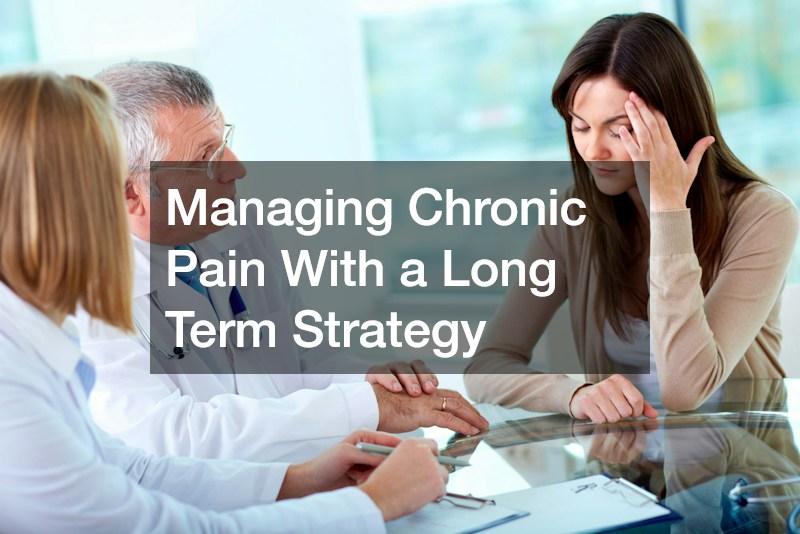
Chronic pain requires a different mindset than acute injuries, since the goal shifts from quick resolution to sustainable, ongoing management. A thoughtful plan often includes a combination of physical therapy, lifestyle adjustments, and medical guidance rather than relying on a single fix. Working with a provider who specializes in this area helps ensure your approach evolves as your condition changes.
Pain management treatments have expanded significantly in recent years, ranging from physical therapy and targeted injections to newer non-opioid medication options. The right combination depends heavily on the underlying cause, so an accurate diagnosis should always come before treatment decisions. Tracking your pain levels, triggers, and responses to treatment in a simple journal can also give your provider useful data for adjusting your plan.
- Physical therapy and gentle movement often reduce flare-ups
- Injections or nerve blocks may help specific, localized pain
- Mind-body approaches like meditation can support pain coping
- Regular follow-ups help catch when a treatment stops working
Supporting Hormonal Health as You Age
Hormonal shifts affect far more than reproductive health, influencing energy levels, mood, sleep quality, and even bone density over time. Both men and women can experience noticeable symptoms as hormone levels change with age, yet many people wait far too long before seeking evaluation. A simple blood panel can often reveal whether hormonal imbalance is contributing to symptoms you have been attributing to stress or aging.
Hormone replacement therapy is one option that providers may discuss once testing confirms a deficiency, and it can be tailored in dosage and delivery method to fit individual needs. This is not a decision to make casually, since it involves ongoing monitoring and periodic bloodwork to ensure levels stay balanced. A knowledgeable provider will walk through the potential benefits and risks based on your personal health history before recommending a path forward.
- Fatigue, mood changes, and low libido can signal hormonal shifts
- Blood tests can confirm whether levels fall outside normal ranges
- Treatment options vary by delivery method, including patches and injections
- Regular monitoring helps keep therapy safe and effective over time
Exploring Targeted Options for Sexual Wellness

Sexual health is a legitimate part of overall wellness, yet it is often the topic people feel least comfortable bringing up with a provider. Concerns like low libido, erectile difficulties, or reduced sensation are common and frequently treatable once the underlying cause is identified. Bringing these concerns to a provider directly usually opens the door to options you may not have known existed.
The priapus shot is one such option some providers offer, using a patient’s own platelet-rich plasma to potentially improve function and sensitivity for certain men experiencing sexual health concerns. As with any elective treatment, it is worth asking about the provider’s experience, expected results, and how many sessions are typically needed to see a difference. Setting realistic expectations upfront makes it easier to evaluate whether the treatment is working for you.
- Ask what the treatment involves before committing to a plan
- Request information on recovery time and any activity restrictions
- Compare provider experience and patient outcomes when researching options
- Discuss realistic timelines for noticing results
Building a Recovery Plan for Substance Use Disorders
Addiction affects the whole person, which is why effective recovery plans typically address physical, emotional, and social needs all at once. For individuals facing more severe substance use disorders, outpatient support alone may not provide the structure needed to achieve lasting change. This is where a more intensive, supervised setting becomes an important part of the conversation.
Full residential drug rehab programs offer round-the-clock support, medical supervision during withdrawal, and structured therapy that is difficult to replicate at home. These programs vary in length and approach, so it is worth asking detailed questions about therapy models, aftercare planning, and family involvement before choosing one. A strong program should also help build a relapse prevention plan that extends well beyond the initial treatment period.
- Ask about medical supervision during the detox period
- Compare program length, since options range from weeks to months
- Look for aftercare support, including outpatient follow-up
- Confirm whether family therapy or education is included
Putting Together Your Personal Care Directory
Once you understand the different types of care available, the next step is organizing this information into something you can actually use in the moment. A personal care directory does not need to be complicated, just a simple list of trusted providers, facilities, and their purposes saved somewhere accessible. This small bit of preparation removes the guesswork during moments when you are stressed, in pain, or caring for a family member.
Update this list at least once a year, since providers change locations, insurance networks shift, and your own health needs evolve over time. Share a copy with a family member or close friend so someone else knows where to look if you are ever unable to communicate your own care history. Preparation like this turns a chaotic situation into a manageable one.
- Save contact information for your primary provider and specialists
- Note the nearest facilities for urgent, non-emergency, and emergency needs
- List current medications, dosages, and known allergies
- Keep insurance information and ID numbers in the same place
- Review and update the directory annually
Building a personal care plan is not about predicting every health event that might come your way, but about knowing your options well enough to act quickly and confidently when something does happen. Take time this week to identify the providers and facilities near you that fit each category covered here, from routine checkups to specialized treatments. A little preparation now means one less decision to make during a stressful moment later.