Unexpected illnesses and minor injuries rarely happen at convenient times. A child may develop a fever over the weekend, an ankle can be sprained during an evening activity, or a respiratory infection may suddenly become difficult to ignore. In these situations, patients often have to decide whether to wait for their primary care provider, visit an urgent care clinic, or go to the emergency room.
Understanding the differences between these options can make that decision easier. For many non-life-threatening conditions that require prompt medical attention, urgent care in Utah provides access to medical evaluation without an emergency room visit. The key is recognizing which symptoms are appropriate for an urgent care setting and which require emergency medical attention.
Know What Urgent Care Can Treat
Urgent care is intended for illnesses and injuries that need timely attention but are not considered life-threatening. This includes many common health problems that occur unexpectedly and cannot always wait for a regularly scheduled medical appointment.
Patients may visit urgent care for cold and flu symptoms, sore throats, ear infections, fevers, urinary tract infections, skin rashes, and mild allergic reactions. Providers can also evaluate minor burns, eye infections or injuries, mild dehydration, and some asthma symptoms.
Minor injuries are another common reason for seeking care. Sprains, strains, minor fractures, cuts, and lacerations may be evaluated in an urgent care setting. Depending on the facility and the medical situation, diagnostic services such as X-rays and laboratory testing may also be available.
Urgent care is not generally intended to replace routine primary care. Medication refills, physicals, ongoing preventive care, and management of established health needs are usually better addressed through a scheduled appointment with a primary care provider.
Recognize When the Emergency Room Is Necessary
Knowing when not to use urgent care is equally important. Emergency departments are equipped for serious illnesses, major injuries, and potentially life-threatening conditions. Urgent care centers are designed for medical problems that require attention but do not warrant emergency care.
Chest pain, difficulty breathing, severe bleeding, symptoms of a stroke, or loss of consciousness warrant emergency medical attention. Serious head injuries and other symptoms suggesting a life-threatening condition should also be handled through an emergency department or by calling 911.
When symptoms are less severe, urgent care in Utah may provide an appropriate alternative. Someone with a minor ankle injury, a persistent cough, an earache, a rash, or a small cut that may require stitches, for example, may be able to receive evaluation and treatment without visiting an emergency department.
Patients who are uncertain about the severity of their symptoms should seek guidance from a qualified healthcare professional. A condition that initially appears minor can sometimes require a different level of medical attention based on the patient’s symptoms, health history, or other circumstances.
Consider Access Outside Regular Office Hours
Timing is another reason urgent care can fill an important role. Primary care offices generally operate on scheduled daytime hours, while illnesses and injuries can occur at any point during the week.
Some urgent care clinics provide extended evening or weekend availability. Walk-in access can also make it possible to seek care when obtaining a regular appointment is difficult. Tanner Clinic, for example, currently provides extended urgent-care hours at its Layton Parkway location, including weekend hours, as well as daytime walk-in services at several Northern Utah locations.
Pediatric urgent care can be particularly useful for families. Children may suddenly develop fevers, respiratory symptoms, ear pain, stomach problems, or minor injuries outside a pediatrician’s normal schedule. Tanner Clinic currently offers pediatric urgent care at its Layton Parkway location, including weekend availability.
Prepare Before Seeking Care
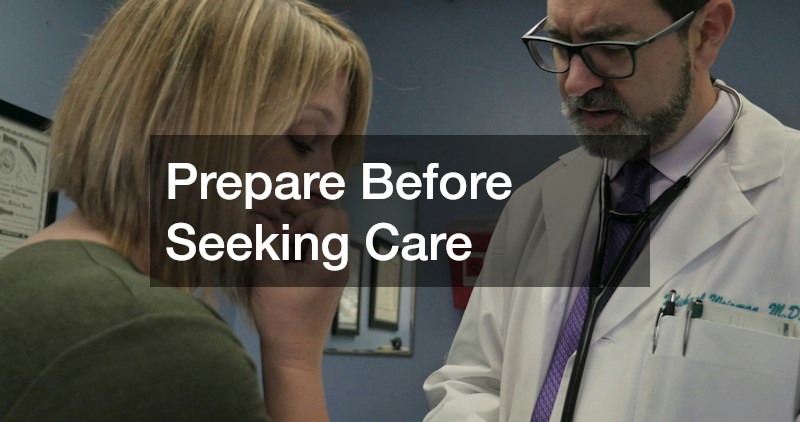
Even when a condition is appropriate for urgent care, bringing useful information can help providers understand the situation. Patients should be prepared to describe when symptoms began, whether they have changed, medications currently being taken, allergies, and relevant medical history.
It can also help to check a clinic’s current hours before leaving home. Walk-in and after-hours schedules may differ by location, and some services may not be available late in the day. Tanner Clinic notes, for example, that IV therapy and CT scans may not always be available after 7 p.m. due to the time required to complete them.
Choosing between primary care, urgent care, and emergency care ultimately depends on the medical situation. Understanding the purpose of each setting can help patients make a more informed decision when an unexpected illness or injury occurs.
For patients seeking urgent care in Utah for non-life-threatening illnesses or minor injuries, Tanner Clinic offers urgent care, pediatric urgent care, and walk-in services at multiple locations across Northern Utah. Visit Tanner Clinic to review current locations and hours or to learn more about available urgent care services.