In recent years, the medical industry has witnessed a remarkable shift towards patient-centric innovations, with the open MRI scanner leading the way. As a diagnostic tool, MRI machines have been essential in detecting a wide range of health conditions and providing detailed images of the internal structures of the body.
However, traditional MRI scanners, with their narrow and enclosed design, have posed significant challenges for many patients. The advent of open MRI scanners addresses these concerns by transforming the way imaging services are delivered. These devices are not only revolutionizing patient care but also making significant improvements in diagnostic accuracy and clinical efficiency, which is why an increasing number of clinics are adopting them.
Benefits of Open MRI Scanners
One of the primary advantages of open MRI scanners is their ability to accommodate patients who experience claustrophobia in traditional MRI machines. Approximately 10% of the population experiences claustrophobia, and closed MRI systems can cause significant anxiety and discomfort for these individuals. Open MRI scanners feature a spacious and less confining design, reducing stress levels and allowing for a more relaxed experience during the scan. By minimizing the fear and discomfort associated with MRI procedures, open MRI scanners make it easier for patients to undergo necessary diagnostic testing. This advancement enhances patient comfort and enables more accurate imaging results.
Open MRI scanners are especially beneficial for pediatric patients and those with larger body types. Traditional MRI machines often present size limitations that can prevent accurate imaging in individuals with broader body structures. Additionally, young children can find closed machines intimidating, which can make it challenging for healthcare providers to get clear images without sedation. The open design facilitates easier access, reducing the need for sedation and improving the overall quality of care. By accommodating a wider range of patients more comfortably, open MRI systems ensure that medical imaging is inclusive and accessible to everyone who needs it.
Implementation Challenges and Solutions
Transitioning from traditional MRI machines to open MRI scanners is not without challenges. Clinics must consider the financial investment involved in acquiring new equipment, which can be a substantial undertaking. Additionally, integrating open MRI scanners requires changes in clinical workflows and staff training to maximize the benefits of the technology. Overcoming these hurdles involves strategic planning and commitment to patient-centered care. Successful implementation relies on understanding the long-term value of improved patient experience and diagnostic efficiencies.
Addressing space constraints is another significant challenge for healthcare facilities looking to house open MRI scanners. Open MRI machines generally require more floor space compared to closed systems, which can be a limitation for smaller clinics. To optimize the use of available space, some facilities have renovated existing rooms or expanded their imaging departments. Furthermore, collaboration with specialized architects and engineers can lead to efficient designs that accommodate new equipment while maintaining other necessary diagnostic functions. Finding creative solutions to spatial limitations is crucial for clinics committed to adopting this patient-friendly technology.
Patient-First Model for Healthcare
The adoption of open MRI scanners is emblematic of a broader shift towards the patient-first model within healthcare. This approach emphasizes the importance of accessibility, comfort, and enhanced patient experiences as core components of effective medical care. By prioritizing these values, clinics can improve patient satisfaction, clinical outcomes, and overall healthcare service delivery. Open MRI scanners are an excellent manifestation of this ideology, offering a tangible example of how technology can serve as a catalyst for positive change. By choosing medical equipment with the patient in mind, healthcare providers become more aligned with the needs and preferences of those they serve.
The integration of patient-first practices is closely connected with the growing demand for personalized healthcare experiences. Modern patients are increasingly informed and seek medical services that cater to their unique needs. Open MRI scanners exemplify this trend, as they provide a customizable and user-friendly imaging solution that considers individual patient comfort. These considerations significantly enhance patient loyalty and trust, fostering long-term relationships between healthcare providers and the communities they serve. By embracing innovations like the open MRI scanner, healthcare facilities can reinforce their commitment to patient-centric care.
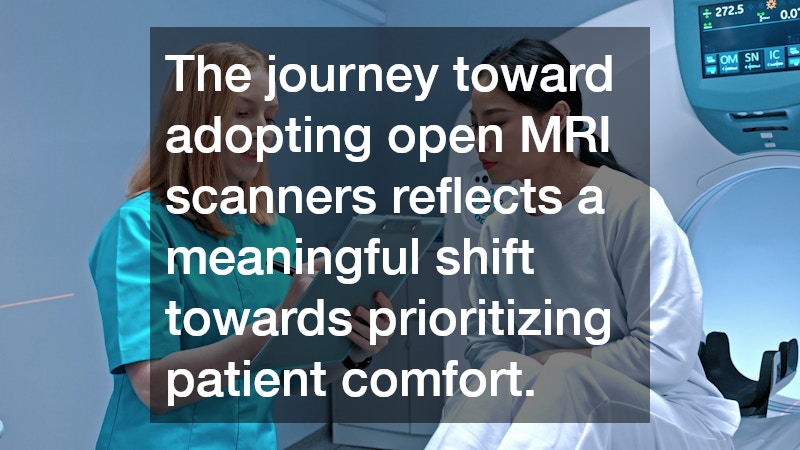
The journey toward adopting open MRI scanners reflects a meaningful shift towards prioritizing patient comfort, inclusivity, and overall experience in the healthcare sector. Open MRI scanners are not only breaking down barriers for patients who struggle with traditional imaging technology but are also setting a new standard for clinical care. Although challenges such as cost and space must be addressed, the long-term benefits for patients and healthcare providers make a compelling case for their adoption. As clinics continue to embrace this technology, they demonstrate an unyielding commitment to patient-first experiences. Ultimately, the integration of open MRI scanners stands as a testament to the transformative potential of aligning healthcare technology with compassionate care principles.