Mental health plays a major role in how people think, feel, and behave every day. It influences decision-making, relationships, productivity, and overall quality of life. When things are going well, it is easier to manage stress, stay motivated, and maintain healthy routines. However, when mental well-being begins to decline, the effects can show up gradually and sometimes go unnoticed.
Many people tend to focus on physical health while overlooking emotional and psychological changes. Small shifts in mood, energy, or behavior are often dismissed as temporary stress or fatigue.
Over time, though, these changes can become more persistent and start to affect daily functioning.
Understanding early warning signs is important for maintaining balance and preventing more serious challenges. Recognizing when something feels “off” is the first step toward seeking support and making positive changes. In many cases, addressing concerns early can lead to better outcomes and improved overall well-being.
Persistent Changes in Mood and Emotion
One of the earliest indicators that something may be wrong is a noticeable shift in mood. Everyone experiences emotional ups and downs, but ongoing sadness, irritability, or emotional numbness may signal a deeper issue.
A person might feel overwhelmed by situations that previously felt manageable. They may also experience frequent mood swings without a clear reason. In some cases, emotional responses become either too intense or unusually flat.
These changes can affect relationships, work performance, and daily motivation. When emotional stability becomes difficult to maintain, it may be a sign that additional support is needed to restore balance.
Difficulty Concentrating and Making Decisions
Cognitive changes are another common sign that should not be ignored. Difficulty focusing, remembering details, or making decisions can interfere with both personal and professional life.
Tasks that once felt simple may begin to take longer to complete. A person may find themselves easily distracted or unable to stay organized. This mental fog can lead to frustration and decreased productivity.
When these challenges persist, they may indicate an underlying issue affecting cognitive and emotional functioning. In many cases, these symptoms are closely connected to overall mental health, especially when combined with stress or emotional strain.
Changes in Sleep Patterns and Energy Levels
Sleep and energy levels are closely tied to emotional well-being. Significant changes in either area can be an important warning sign.
Some individuals may struggle with insomnia, finding it difficult to fall or stay asleep. Others may sleep excessively but still feel tired throughout the day. Both patterns can disrupt daily routines and make it harder to function effectively.
Low energy levels may also lead to reduced motivation and withdrawal from activities that were once enjoyable. Over time, this can create a cycle where inactivity contributes to further emotional decline.
Consistent disruptions in sleep and energy should not be ignored, especially when they begin to affect daily responsibilities.
Physical Symptoms Without Clear Medical Causes
Emotional strain does not only affect the mind—it can also show up in the body. Headaches, stomach discomfort, muscle tension, and unexplained aches are common physical manifestations of stress and emotional distress.
These symptoms may appear even when medical tests show no clear physical cause. The connection between the mind and body means that emotional challenges can often present as physical discomfort.
When physical symptoms persist without explanation, it is important to consider emotional factors as a possible contributing cause. This mind-body connection is a key aspect of overall mental health and should not be overlooked.
Loss of Interest in Daily Life
A noticeable loss of interest or pleasure in everyday activities can be a significant warning sign. Hobbies, social events, and personal goals may no longer feel meaningful or enjoyable.
This lack of interest can extend to multiple areas of life, including work, relationships, and personal care. Individuals may feel disconnected from their usual sources of motivation.
When this pattern continues, it can lead to further withdrawal and emotional decline. Recognizing this change early can help prevent it from becoming more severe.
Changes in Appetite and Eating Habits
Eating habits often change when emotional well-being is affected. Some individuals may lose their appetite and eat significantly less than usual. Others may overeat as a way of coping with emotional discomfort.
These changes can impact both physical and emotional health. Fluctuations in eating patterns may also contribute to changes in energy levels and overall well-being.
When combined with other symptoms, changes in appetite can be an important indicator that something deeper is going on.
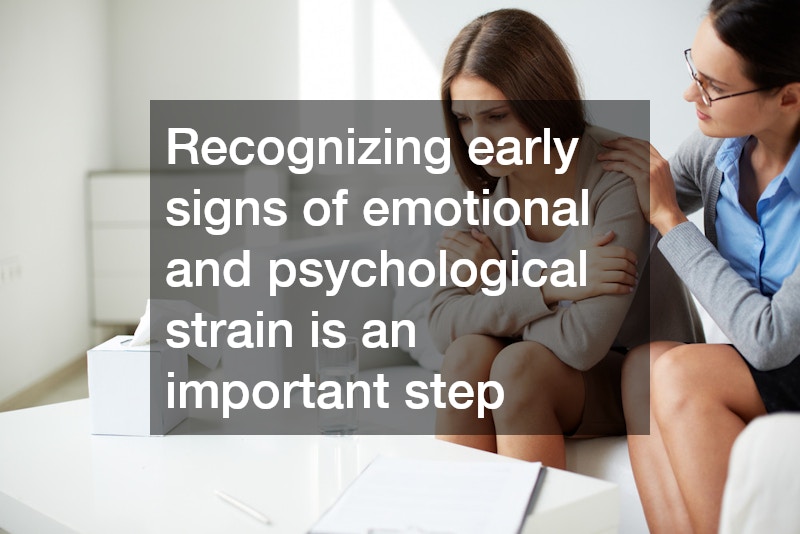
Recognizing early signs of emotional and psychological strain is an important step in maintaining overall well-being. While occasional stress or mood changes are normal, persistent symptoms should not be ignored.
Changes in mood, sleep, energy, focus, social behavior, and physical health can all signal that something needs attention. Paying attention to these signs can help individuals take proactive steps toward improvement.
Understanding and prioritizing mental health is essential for living a balanced and fulfilling life. When concerns arise, seeking support, making lifestyle adjustments, or speaking with a professional can make a meaningful difference. Early action often leads to better outcomes and a stronger foundation for long-term well-being.